
 newseditor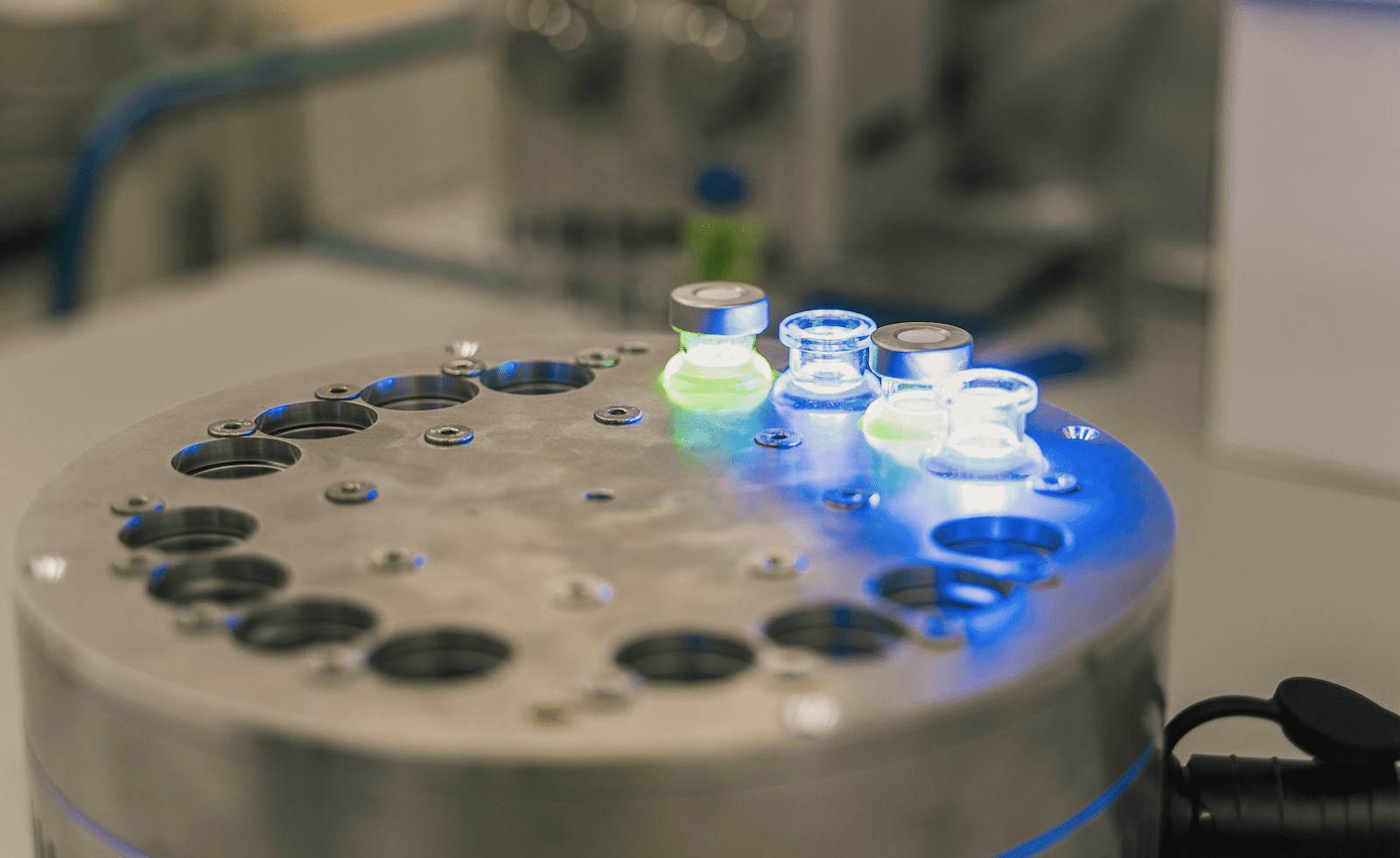
In modern scientific research, accuracy and consistency are essential for reliable results. Laboratories around the world are constantly exploring ways to improve experimental outcomes and minimize errors. One of the advanced tools that have become increasingly important in chemical and biological research is photoreactor lab equipment. This equipment is designed to provide controlled light exposure to chemical reactions, which can significantly enhance the precision and reproducibility of laboratory experiments.
Understanding Photoreactor Lab Equipment
Photoreactor lab equipment is specialized laboratory apparatus that allows scientists to conduct experiments under controlled light conditions. Unlike traditional reaction setups, photoreactors provide uniform illumination, precise temperature control, and consistent reaction conditions. This is particularly important for reactions that are sensitive to light, such as photochemical and photocatalytic processes. By using photoreactor lab equipment, researchers can ensure that every experiment receives the same level of light exposure, reducing variability in results and enhancing experimental accuracy.
Consistency in Experimental Conditions
One of the major challenges in laboratory research is maintaining consistent experimental conditions. Variations in light intensity, temperature, or exposure time can lead to inconsistent results. Photoreactor lab equipment addresses this challenge by providing a controlled environment for light-driven reactions. The equipment is often equipped with adjustable light sources and monitoring systems, allowing scientists to fine-tune the conditions for each experiment. This consistency is crucial for studies that require precise measurements, as it ensures that any observed changes in the reaction are due to the variables being tested rather than uncontrolled external factors.
Enhancing Reproducibility of Results
Reproducibility is a cornerstone of scientific research. Without the ability to reproduce experiments, findings cannot be verified or trusted. Photoreactor lab equipment enhances reproducibility by eliminating common sources of experimental error. The equipment’s design allows for uniform light distribution and controlled reaction parameters, making it easier for different researchers to replicate the same experiment. This reliability not only strengthens scientific conclusions but also accelerates the development of new chemical processes, materials, and pharmaceutical compounds.
Efficiency in Complex Reactions
Some laboratory reactions, especially photochemical reactions, are complex and sensitive to slight changes in their environment. Photoreactor lab equipment allows scientists to carry out these reactions more efficiently by providing consistent light exposure and optimal reaction conditions. This reduces the likelihood of incomplete reactions or unintended side products, which can compromise the accuracy of experimental data. As a result, researchers can obtain clearer and more reliable results, ultimately saving time and resources in the laboratory.
Integration with Modern Laboratory Techniques
Photoreactor lab equipment can be integrated with other laboratory instruments and analytical techniques to further improve experimental accuracy. For example, it can be combined with real-time monitoring systems, automated sampling, and advanced data analysis tools. This integration allows researchers to track the progress of reactions more precisely and make adjustments when needed. By providing detailed control over experimental conditions, photoreactor lab equipment supports more rigorous and data-driven research practices, contributing to higher-quality scientific outcomes.
Supporting Safety and Standardization
In addition to improving accuracy, photoreactor lab equipment also enhances laboratory safety and standardization. Controlled light exposure reduces the risk of accidental overexposure to harmful UV or visible light. Moreover, standardized reaction conditions allow laboratories to develop protocols that can be consistently followed, reducing human error and ensuring compliance with safety guidelines. This combination of precision and safety makes photoreactors a valuable addition to any modern laboratory.
Conclusion
Photoreactor lab equipment plays a vital role in improving experimental accuracy in laboratories. By providing controlled and consistent light conditions, this equipment enhances reproducibility, efficiency, and safety in scientific research. Laboratories that adopt photoreactor technology can achieve more reliable results, minimize errors, and support the development of innovative chemical and biological processes. As research continues to evolve, the use of photoreactor lab equipment will remain an essential tool for scientists aiming for precision and excellence in their experiments.