
 newseditor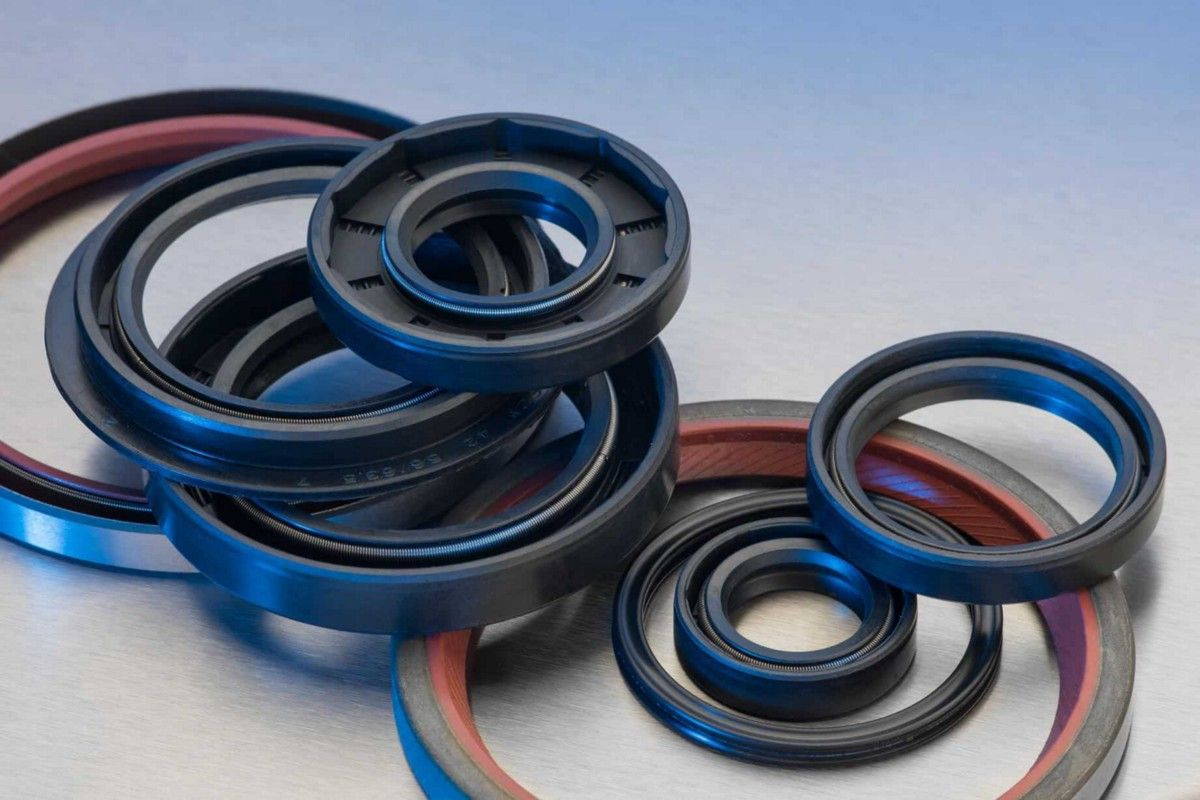
Operational safety is a critical concern across industries that rely on heavy machinery and fluid power systems. Hydraulic systems drive a variety of equipment, from industrial presses to construction machinery. Ensuring these systems function safely and efficiently can prevent costly downtime and protect workers. One key component in maintaining safety is the proper use and maintenance of hydraulic seals. These small but essential parts help contain fluids under high pressure, reducing the risk of leaks, equipment failure, and potential accidents.
Understanding Hydraulic Seals and Their Role
Hydraulic seals are components designed to prevent fluid leakage in hydraulic systems. They maintain pressure and ensure smooth operation of cylinders and actuators. Without effective seals, systems can lose efficiency and become hazardous. Leaks can lead to slippery surfaces, fire hazards, and unexpected equipment movement. Using high-quality hydraulic seals enhances safety and extends the lifespan of machinery, making them a critical focus for operational managers.
Choosing the Right Materials for Hydraulic Seals
Selecting the correct material for hydraulic seals is crucial for safety and performance. Seals are typically made from rubber, polyurethane, or PTFE, each offering different strengths. Rubber is flexible but less resistant to high temperatures. Polyurethane provides durability and wear resistance, while PTFE excels in chemical and thermal resistance. Understanding the operating conditions of your system helps in choosing the ideal seal. Proper material selection reduces the risk of failure, ensuring hydraulic seals continue to protect equipment effectively.
Regular Maintenance for Hydraulic Seals
Routine inspection and maintenance of hydraulic seals are essential for operational safety. Over time, seals can wear out, crack, or become brittle. Regular checks can detect early signs of failure before they lead to leaks or accidents. Cleaning, lubrication, and timely replacement of worn seals help maintain system integrity. Well-maintained hydraulic seals not only prevent fluid loss but also enhance machine reliability, contributing to a safer working environment.
Monitoring System Pressure and Performance
Hydraulic seals work best when the system operates within recommended pressure ranges. Excessive pressure can cause seals to rupture, leading to sudden fluid leaks and operational hazards. Installing pressure gauges and monitoring equipment ensures systems remain within safe limits. By tracking performance and responding to anomalies, operators can prevent seal failure. Effective monitoring reinforces the role of hydraulic seals in maintaining safety and operational efficiency.
Training Staff on Seal Safety Practices
Ensuring employees understand the importance of hydraulic seals is key to operational safety. Staff should be trained to identify leaks, understand maintenance schedules, and recognize signs of seal degradation. Proper handling during installation or replacement prevents damage and maintains system integrity. When teams are knowledgeable about hydraulic seals, the risk of accidents decreases, and overall safety culture improves.
Implementing Preventive Safety Measures
Incorporating hydraulic seal management into broader safety protocols strengthens operational protection. This includes using high-quality seals, scheduling regular maintenance, monitoring system pressure, and providing staff training. Preventive measures reduce unexpected downtime, lower repair costs, and minimize the chance of accidents. A proactive approach ensures that hydraulic seals continue to play their vital role in safe operations.
Conclusion
Hydraulic seals may seem like small components, but their impact on operational safety is significant. From preventing leaks to maintaining pressure and extending equipment life, they are central to safe hydraulic system function. By selecting the right materials, performing regular maintenance, monitoring system performance, and training staff, organizations can enhance safety across their operations.